
Blossom Color By Number
Art Coloring GroupBoard
4.8176.00 Reviews
- Version
- 1.0.7
- Installs
- 100.00K
- Age Rating
- Everyone
Screenshots

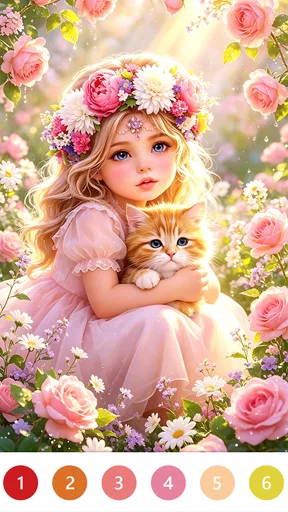
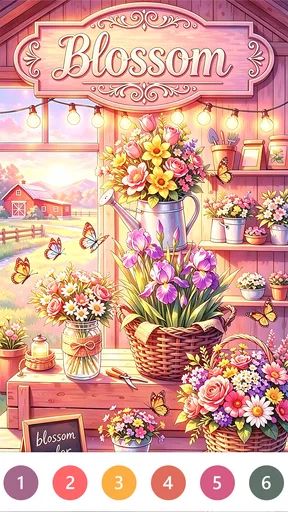
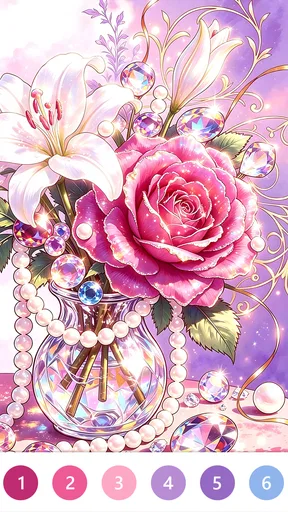
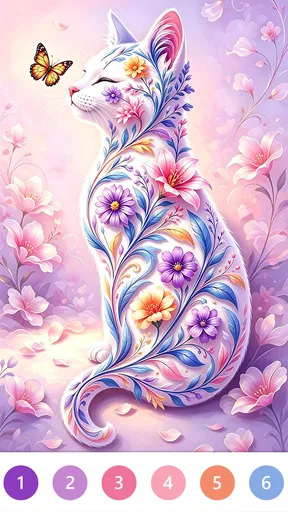

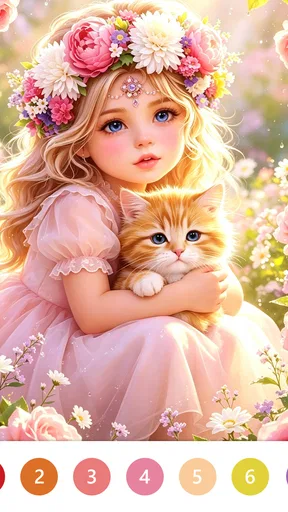
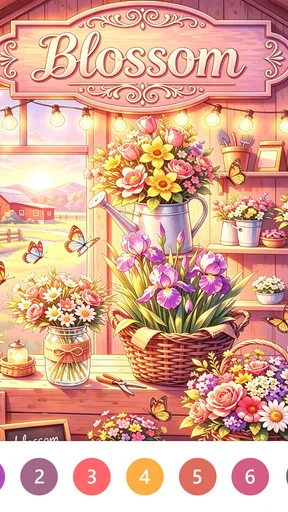
Our Review of Blossom Color By Number
 Analysis by Appyee
I opened Blossom Color By Number expecting a simple board-style coloring game, and that is exactly where it feels most comfortable: as a quiet, low-pressure activity built around filling cozy fantasy flower pictures. The idea is easy to understand from the first screen, yet it has enough small decisions to make the process feel more satisfying than tapping randomly through a static image.
What appealed to me most is how quickly it creates a sense of progress. You choose a picture, follow the numbered sections, and gradually turn an unfinished outline into a colorful scene. I would recommend it to anyone who wants a gentle game for short breaks, especially if competitive puzzles, timers, or complicated rules usually make mobile games feel tiring. It is free to start, rated for Everyone, and comes from Art Coloring Group, so its audience is clearly broad rather than aimed at experienced strategy players.
What to expect when you begin
The game sits in the board category, but it is better understood as a digital paint-by-number activity than as a traditional board game. There are no opponents to outplay and no deep rulebook to study. The main loop is visual: select a fantasy flower illustration, identify the matching numbered areas, and apply the corresponding color until the artwork comes together.
That simplicity is a strength for a first-time player. I did not need a tutorial full of instructions before making progress. The central action is immediately recognizable, and the gentle subject matter gives the game a relaxing personality. If you enjoy floral illustrations, soft fantasy imagery, or the feeling of completing a coloring page without needing art supplies, the concept is easy to appreciate.
The important thing is to set the right expectation. This is not a drawing app where I can freely sketch, blend shades, or create an image from a blank canvas. It is also not a competitive puzzle with a demanding strategy layer. The pleasure comes from accuracy, completion, and watching the picture become more detailed. Players looking for creative control may prefer a freehand coloring tool, while players wanting a calm, guided activity will probably find this format more approachable.
Its public reception suggests that the basic experience is connecting with people: the game has a 4.8 average from around 1.7 thousand ratings and has passed 100 thousand installs. Those figures do not replace personal testing, but they do fit my impression that the game is designed to be immediately accessible rather than niche or technically demanding.
The mood works best in short sessions
I found the game most useful when I treated it as a small reset rather than a long gaming commitment. A few completed sections can provide a clear sense of accomplishment after a busy task. It also suits situations where I want something to do with one hand or while waiting, although I would still avoid using it when I need to concentrate on another activity.
A realistic example is an evening when I have finished work but do not want to begin another demanding game. I can open a flower illustration, complete a handful of numbered spaces, and stop without feeling that I have abandoned a complicated mission. The unfinished image remains easy to understand when I return, which makes the experience less mentally expensive than a game that requires remembering a storyline or a multi-step objective.
The fantasy-flower theme also gives it a more distinctive identity than a plain collection of geometric coloring pages. I would not call the presentation dramatic, because the appeal is deliberately calm, but the subject matter gives the activity a cozy visual direction. That matters when deciding whether it will hold your attention beyond the first picture.
Getting through the first setup
The first setup is uncomplicated from a player’s point of view. The game is free, runs on Android from version 7.1 onward, and its current version is 1.0.7. That makes it suitable for many older compatible devices as well as newer phones, though the exact feel will still depend on screen size, touch accuracy, and general device performance.
I would begin with a simple plan: install it when you have a few quiet minutes, open the first accessible artwork, and focus on learning the visual rhythm instead of trying to finish everything immediately. The best early goal is not speed. It is becoming comfortable with how the numbered areas respond to taps and how the game guides attention toward the next unfinished part.
Because the game is free, the initial decision is low risk. However, the presence of in-app purchases ranging from $0.99 to $59.99 per item means I would pay attention to any purchase screen rather than tapping through it automatically. A free download can still contain optional paid choices, and the wide range means those choices may not all feel equally minor. For a child using the device, I would make sure the device’s purchase protections are already configured.
The Everyone age rating makes the overall theme approachable for a wide audience, but that should not be confused with unlimited access to paid items. Parents may want to introduce the game together, explain that the pictures can be enjoyed without rushing into purchases, and let the child understand which actions are part of play and which involve money.
How I would prepare for a smoother first session
I would use a reasonably clean screen and avoid starting with a nearly empty battery or a crowded multitasking session. That sounds basic, but paint-by-number games depend on seeing small regions clearly. A smudge, dim display, or inaccurate tap can make a simple section feel more frustrating than it should.
I would also choose an illustration based on patience level. If I only have a short break, a picture that looks visually manageable is a better first choice than one that appears packed with tiny sections. The practical insight here is that the apparent complexity of an image changes the experience more than the basic rules do. A detailed flower scene can be rewarding when I want a longer project, but it is not necessarily the best introduction.
Another useful habit is to avoid tapping quickly across the screen before checking the number or color cue. In this kind of game, hurried taps can turn a relaxing activity into a search for mistakes. I get more from it when I pause, identify the intended area, and then make deliberate taps.
Finding the first meaningful success
The first meaningful success is not simply opening a picture. It is completing enough of one section to see the artwork begin to change. That moment explains the appeal better than any store summary can. A blank or partially outlined flower becomes easier to read as color accumulates, and the progress feels tangible even though the action itself is simple.
My advice is to start with a color that appears in several nearby areas. Completing related sections creates a visible patch of progress and helps you understand the connection between the numbered spaces and the selected color. If the areas are scattered, do not assume you are doing something wrong; the game’s structure may simply require looking around the image rather than working in one continuous line.
For a first-time player, the most reassuring workflow is:
Choose one illustration instead of jumping between several unfinished pictures.
Identify the current number or color cue before tapping.
Complete a small cluster of matching sections so the visual change is obvious.
Pause after that first visible improvement and decide whether the rhythm feels relaxing.
This approach prevents a common mistake: judging the game before allowing its completion loop to appear. The individual tap is not the main reward. The reward is the gradual transformation of the image, and that becomes clearer once enough sections are filled.
Small techniques that make the activity less fiddly
When I encounter a tiny region, I prefer to zoom my attention rather than increase my tapping speed. On a smaller phone, this may mean holding the device closer or rotating it if the game’s layout makes that comfortable. I would not promise that every screen size feels equally precise, but the general principle is useful: accuracy matters more than momentum.
I also recommend finishing a nearly completed color before switching to another one. This is not about maximizing efficiency; it reduces visual clutter. When several colors remain active in different places, it is easier to lose track of what I was searching for. Working in a controlled sequence makes the picture’s progress easier to follow.
A third tip is to use the completed image as a stopping point, not as a reason to continue indefinitely. These games can be soothing precisely because they have a natural endpoint. If I keep chasing one more picture after the activity stops feeling pleasant, the same simple loop can begin to feel repetitive.
Where first-time players may feel confused
The biggest possible confusion is assuming that a paint-by-number title offers the same freedom as a conventional coloring book. Here, the numbered structure directs the result. That is helpful when I want guidance, but limiting when I want to choose unusual colors or reinterpret the artwork. The game is about following a visual plan, not replacing it with my own.
Another point to understand is that a calm presentation does not necessarily mean every illustration is equally easy. A picture may look simple at a glance while containing many small spaces. I would judge difficulty by the density of the numbered areas rather than by the subject alone. This helps explain why one flower can feel quick and another can become a longer concentration exercise.
Players may also wonder whether the game is suitable for children because of the Everyone rating. I think the accessible controls and non-competitive concept make it approachable, but younger players may still need help with small touch targets and with understanding optional purchases. The age rating describes the content audience; it does not remove the need for sensible device supervision.
The paid options are another area where expectations matter. Since the game is free with in-app purchases, I would treat the free portion as the test of whether the core loop suits me. If I enjoy completing the available artwork without feeling pressured, then I can make a considered decision about whether any optional purchase adds enough value. I would not buy simply because a picture looks attractive in the moment.
There is also a difference between relaxing repetition and unwanted repetition. If I enjoy visual completion, the repeated structure can feel meditative. If I need changing objectives, character development, or increasingly complex decisions, I may run out of interest. That is not a flaw in the concept so much as a clear boundary around who will benefit from it.
When another type of app would be better
I would choose a freehand drawing app instead if my priority were experimentation with brush size, color mixing, or personal composition. I would choose a traditional puzzle game if I wanted deduction, competition, or a stronger feeling of overcoming a difficult obstacle. I would choose a physical coloring book if screen time itself were the problem or if I wanted paper texture and complete control over the materials.
Blossom Color fits the middle ground: more guided than drawing, quieter than most games, and easier to begin than many puzzle apps. That makes it a good recommendation for someone who says, “I want to do something, but I do not want to learn a complicated system.” It is a weaker recommendation for someone who needs constant novelty or regards repetition as boring.
What to do after the first picture
Once I had understood the basic rhythm, the next step was to decide how to use the game rather than simply continue tapping. I would keep one illustration as a short-session project and reserve more detailed artwork for times when I want a longer, more focused break. This turns the collection into a flexible routine instead of an endless stream of interchangeable images.
I would also pay attention to how the game feels on my particular device. The minimum operating system requirement is Android 7.1, but compatibility alone does not guarantee that every phone offers the same comfort. A larger display may make small sections easier to target, while a compact screen may encourage shorter sessions. If the controls feel cramped, that is a practical reason to adjust expectations rather than blame yourself for slow progress.
For adults, the strongest use case is a low-stakes transition activity: after commuting, before bed, or between tasks that require more concentration. I would avoid presenting it as a productivity tool. Its value is that it gives the mind a narrow, understandable task with a visible result. That can be refreshing, but it does not replace rest, sleep, or a proper break from screens.
For families, I can see a shared use case in choosing an illustration together and taking turns identifying the next section. The Everyone rating supports that broad accessibility, while the purchase range means I would keep the account holder in control of any payment decision. The game can be a pleasant shared activity without making purchases part of the conversation.
My recommendation after using it
Art Coloring Group has made a focused board game for people who enjoy the calm satisfaction of filling an image one section at a time. The 4.8 average and growing install base are consistent with an experience that is easy to approach, while the free entry point makes it simple to decide for yourself.
My honest reservation is that the same guided simplicity that makes the game reassuring can make it feel limited for creative players. The in-app purchase range also means I would stay alert around optional spending, especially on a shared family device. Those are important considerations, but neither changes the fact that the first session is easy to understand and the main activity is pleasantly low pressure.
My practical recommendation is to begin with one manageable flower illustration, complete a small group of numbered sections, and judge the game by how that process feels rather than by the promise of endless content. If you like quiet visual progress, Blossom Color By Number is a friendly free game to keep for short relaxing sessions. If you want unrestricted art tools, strategic depth, or constant change, I would skip it in favor of a more specialized alternative.
Verdict
Strengths of Blossom Color By Number
- Relaxing coloring gameplay suitable for short breaks.
- Large variety of floral designs and color palettes.
- Simple controls make it accessible for most ages.
- Offline play is available for many coloring pages.
- Completed artwork can be saved or shared easily.
Limitations of Blossom Color By Number
- Some pictures and features may require in-app purchases.
- Frequent ads can interrupt the coloring experience.
- Small sections may be difficult to tap accurately.
- Limited creative freedom compared with freehand coloring apps.
- Progress may not transfer smoothly between devices.
Other Releases by Art Coloring Group
View All
Bible Color Paint By Number
Board4.8

Nostalgia Color by number game
Board4.4

Macabre Color Paint By Number
Board4.8

Black Color Paint By Number
Trivia4.8
Similar Picks in This Category
View All
Ludo King®
Gametion4.1

Ludo
Yarsa Games4.6

Tile Master® - Matching Game
Higgs Studio3.6

Checkers Online
CC Games4.6

Dominoes
Loop Games4.7

Chess
Chess Prince4.6
Frequently Asked Questions
What is Blossom Color By Number?
Blossom Color By Number is a relaxing coloring game centered on floral and nature-inspired artwork. Players complete pictures by selecting numbered color sections and filling them with the matching shades. The app is designed for casual play, creative expression, and stress relief rather than fast-paced competition, making it suitable for short sessions or longer periods of calm, focused gameplay.
How does the coloring system work?
Each image is divided into numbered sections, and every number corresponds to a specific color in the palette. You can tap the correct shade and then select matching areas in the artwork. The game generally guides you toward unfinished sections, which makes it accessible even if you are not experienced with digital coloring. Some pictures may include small details that require careful tapping.
Is Blossom Color By Number free to download and play?
The app can typically be downloaded at no initial cost, allowing users to try its basic coloring experience before deciding whether they want additional content. However, free gameplay may include advertising, optional purchases, or locked artwork and features. Availability of premium options can vary by platform and version, so checking the store listing and in-app purchase details is recommended before downloading.
Does Blossom Color By Number require an internet connection?
An internet connection may be needed for downloading the application, loading new artwork, displaying advertisements, synchronizing progress, or processing optional purchases. Some previously available coloring pages may work offline, but this should not be assumed for every feature. If you plan to use the app while traveling or without mobile data, test offline access after installation and download any available content beforehand.
Is Blossom Color By Number suitable for children?
The simple tap-to-color gameplay can be appealing to children, teenagers, and adults, especially those who enjoy flowers, animals, and relaxing creative activities. Nevertheless, parents should review the app’s age rating, advertising, privacy information, and in-app purchase settings before allowing younger children to play. If the app includes social, promotional, or purchase-related features, parental supervision is advisable.
Play our best games!


